


Last Updated: October 26, 2026
Are you aware of hibiscus’s unique benefits and goodness to your skin? Often referred to as the ‘botox herb’, hibiscus is power-packed with minerals, vitamins, and antioxidants that make your skin look youthful and supple. In this article, we tell you how hibiscus benefits your skin and what the most effective ways are to use it on your skin.
Table of Contents
Is Hibiscus Good For Skin?
Hibiscus is an ultra-hydrating and nourishing herb that is a rich source of protein, calcium, copper, iron, magnesium, manganese, potassium, zinc, and vitamins A, B6, C, E, and K. Besides, it also contains niacin, thiamin, riboflavin, antioxidants, alpha hydroxy acids, beta hydroxy acids, malic acid, and many other compounds that benefit your skin.
Even when skin is oily, choosing a moisturizer suited to your skin type can be part of a balanced skincare routine. This guide to moisturizers for oily skin covers options for that skin type.
“In Ayurveda, hibiscus is called ‘Japa’ and classified as the herb which has the potential to pacify aggravated Pitta and Kapha doshas. Thus, Ayurveda says hibiscus can treat skin ailments, especially those linked to elevated Pitta and Kapha,” says Dr Zeel Gandhi, Chief Ayurvedic Doctor at Videx.
Benefits Of Hibiscus For Skin
Fights Aging Signs
With high quantities of antioxidants, hibiscus helps your skin cells recover from the injury caused by skin ailments, wounds, pollutants, UV rays, etc. “The anthocyanins in hibiscus promote the production of elastin and cell renewal in your skin, thus making it appear youthful and supple,” says Dr Zeel. Research claims that hibiscus sabdariffa calyx aqueous extract has potential anti-ageing effects on the skin compared to UVB-induced photoaging.
Improves & Evens Skin Tone
Hibiscus is your go-to remedy, whether it is hyperpigmentation, staining, dark spots, age spots, or any uneven spots. Hibiscus contains malic acid, alpha hydroxy acids, and citric acid, which revamp your skin tone while regulating melanin production. Besides, it also nourishes your skin.
A study by Biomolecules has shown that the anthocyanins present in Hibiscus syriacus L. act as possible skin whitening agents by inhibiting melanogenesis in the skin.
Hydrates Skin Well
If you are somebody with dry, flaky, and prickly skin, hibiscus can work wonders. It has potent hydrating properties, which help turn your skin texture soft and smooth.
Cleanses Skin Pores
Hibiscus contains saponins, which aid in cleansing your skin naturally and mildly. Also, the organic acids present in the herbs aid in the removal of dead skin cells and keep your skin pores clear.
A study on the Care and Efficacy of Skin Detergent Containing Roselle Extract in Acne suggests. That hibiscus-based cleansers are safe for the skin and do not cause any allergic effects or irritation.
Acne can have multiple contributing factors, so it shouldn’t be reduced to personal carelessness. This article, acne is caused by carelessness, discusses the claim and its context.
Tightens Open Skin Pores
Hibiscus has harsh properties that help tighten open skin pores, thus controlling the overrun of sebum in your skin. “The vitamin C content in hibiscus helps tighten your facial skin by endorsing collagen production,” says Dr Zeel.
Topical skincare and in-office treatments are different approaches to skin care, and the right option depends on a person’s concerns and a qualified provider’s advice. Readers comparing professional options can explore plus fotofacial skin rejuvenation in fresno for information about a treatment offered in that location.
The article notes that UV rays can affect the skin, so sun protection is a useful part of a skincare routine. Lips are also exposed to sunlight; this guide explains why is it important to wear spf lip balm and how SPF lip care fits into sun protection.
What is the Scientific Name of Hibiscus
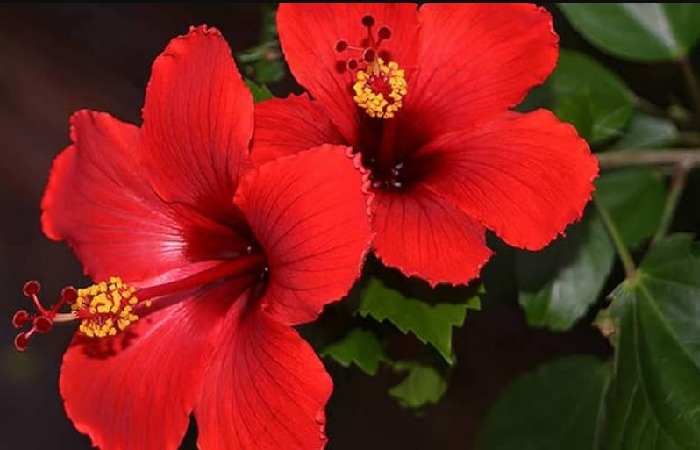
- Hibiscus rosa-sinensis
Conclusion
In general, hibiscus remains considered to remain safe when applied topically. However, people with sensitive skin might experience slight itching, a burning sensation, and redness after using hibiscus on their skin.