

Last Updated: October 27, 2026
Coconut Oil is perhaps the best moisturizer I have created for any skin. It remains made up of medium chain oily acids that act as an antimicrobial agent to help kill viruses and bacteria. In addition, it helps absorb the accumulated scums from your skin and nourish it.
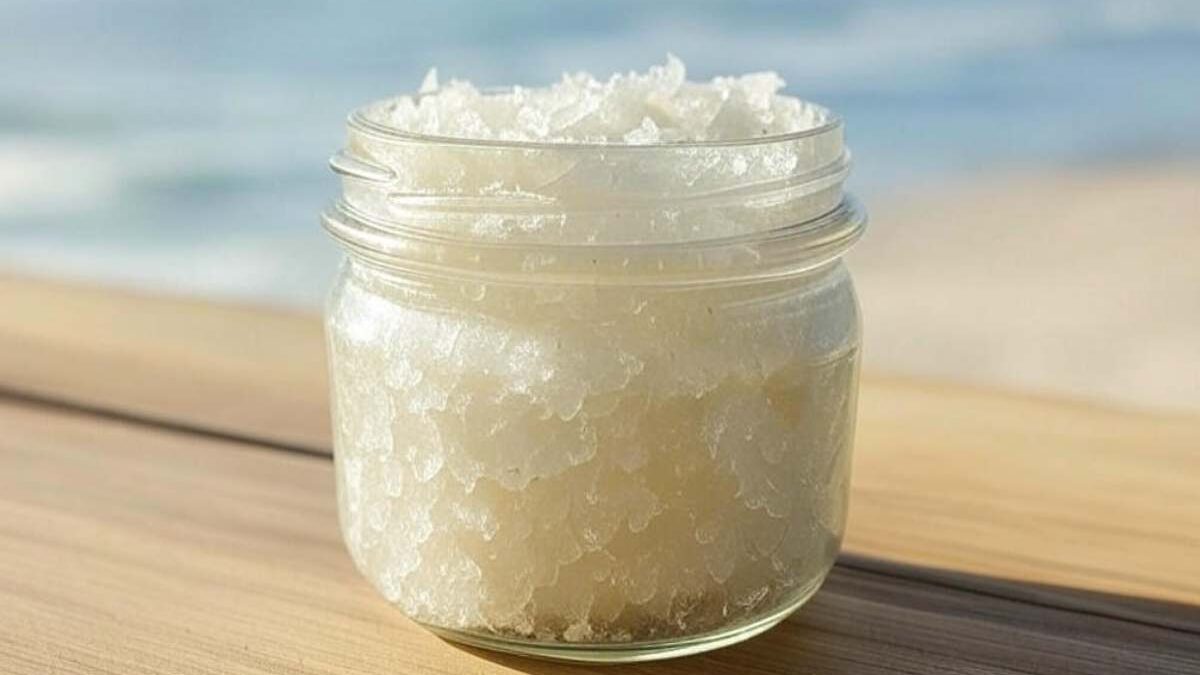
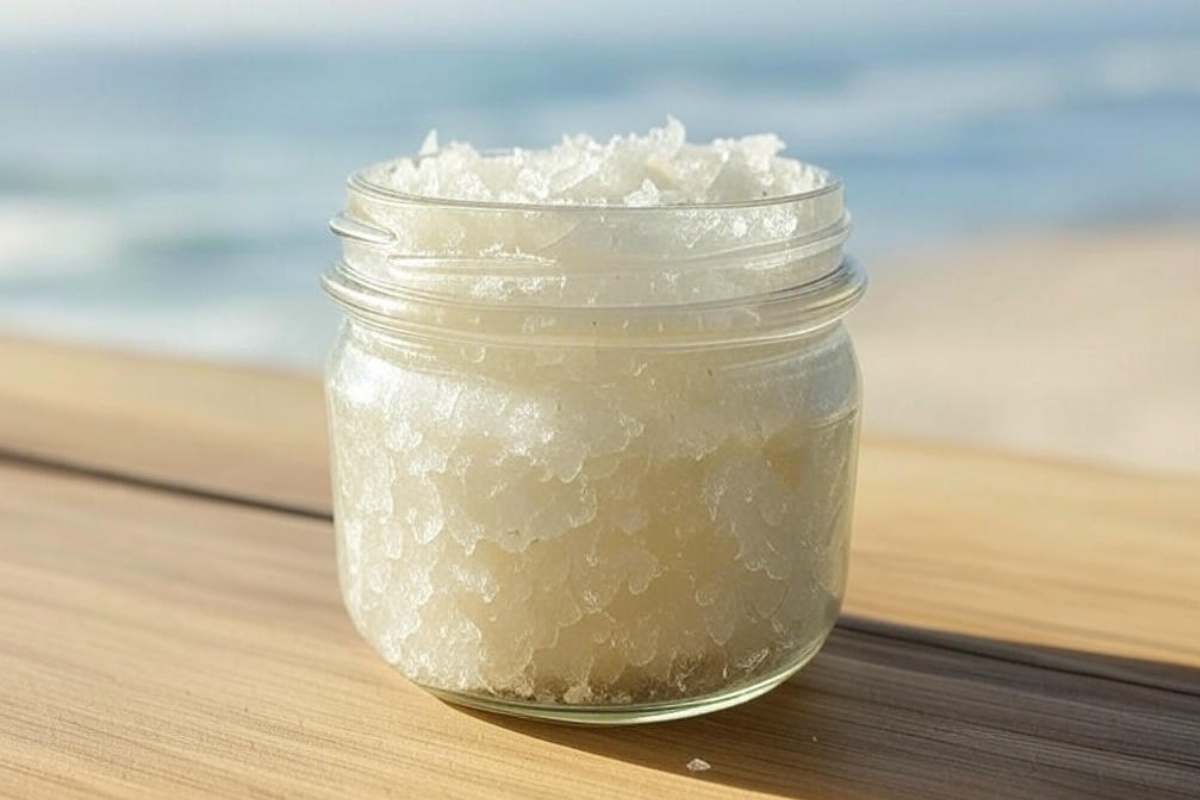
Coconut oil is solid at temps under 76°F. So, your coconut body scrub may harden if you keep your home cool. However, that is not a problem as it will soften in the warmth of the shower or bath. Coconut scrubs use fatty coconut and a normal exfoliant such as sugar or salt to remove dead skin cells from the epidermis and permit new skin to be supple and smooth.
Coconut is a shared natural beauty ingredient since it locks in moisture. Provides a protective barrier against free radicals, soothes irritation, calms redness, and nourishes skin with antioxidants. Best of all, you can whip up a coconut-based exfoliant at home using two of the essential kitchen ingredients.
Table of Contents
How to Make Coconut Scrub?
Which exfoliant to use in your homemade coconut scrub remains contingent on your desired level of abrasion. Salt granules such as sea or Epsom salt are the roughest of the three but are packed with minerals that provide hydration and absorb toxins.
White sugar granules remain rounder than salt granules and so less abrasive, and brown sugar, the finest of the three, is the mildest. However, brown sugar dissolves earlier than white sugar since the crystals are less perfect.
Brown sugar is best for sensitive skin, whereas salt can remain used on rougher patches of skin, such as cracked heels. If using the latter, the goal is a 1:2 salt-to-coconut oil ratio: half a cup of salt granules to one cup of coconut oil.
Instructions
Prepare Your Ingredients
Measure out half a cup of coconut oil and a mug of sugar, or a cup of coconut oil and half a cup of salt, depending on which exfoliant you choose. The coconut oil must be in its solid form, i.e., not melted but soft enough to mash with a fork.
Combine Ingredients
You can syndicate the ingredients in a medium-sized mingling bowl and mash them with a potato masher or fork. But for an even more indulgent, whipped consistency, use an immersion blender. With the beater attachment, beat your coconut scrub at average speed for about 10 minutes. The surface must be thick, moldable, and moist but not wet.
Transfer to an Airtight Container
Once your coconut scrub remains carefully blended, transfer it to an airtight container to keep it fresh. You should store it at a temperature lower than coconut oil’s melting point (74 degrees) to maintain the consistency if it does melt (and if kept in the shower, it certainly will).
Allow it to cool to a lower temperature and remix it with your finger earlier for subsequent use. Some separation may happen between the oil and sugar or salt. Coconut oil is shelf-stable for up to two years, but it’s best to use your scrub while it’s fresh within a few weeks.
Conclusion
You should always apply a body scrub to damp skin. Warm water not hot, which can exacerbate dryness helps open pores, soften the skin, and prepare it for exfoliation. Body scrubs should be used regularly but not too frequently, as exfoliation can be rough on the skin. Instead, try applying your coconut scrub once per week.
This coconut scrub exfoliates the skin with sugar or salt, while professional chemical peels use a different approach to exfoliation. They are not interchangeable, and the right option depends on your skin and goals. Learn more about chemical peel treatment and consult a qualified provider about whether it may suit you.