

If your skin feels tight, flaky, or uncomfortable after washing, your cleanser is the likely culprit.
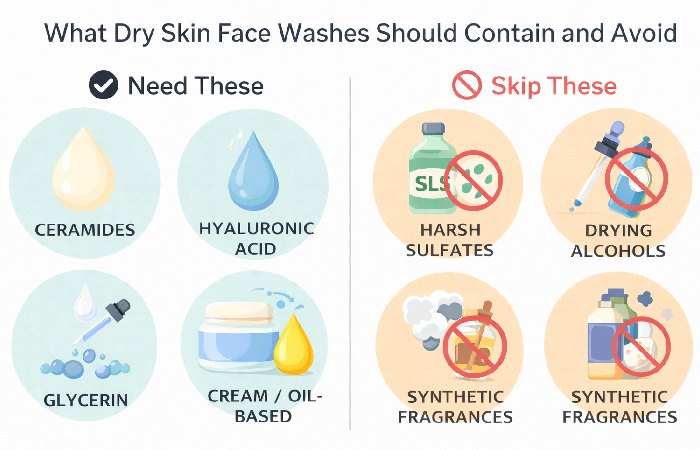
Dry skin needs face washes that clean effectively without stripping natural oils or disrupting the skin barrier. The solution? Cream-based or oil-based formulas with ingredients like ceramides, hyaluronic acid, and glycerin that actually put moisture back while they clean.
This guide covers the 9 best face washes for dry skin, explains how the right ingredients work, and walks you through choosing based on your specific dry skin subtype.
For: Anyone dealing with persistently tight, flaky, or rough facial skin.
Table of Contents
Quick Answers
- Best overall for dry skin? → CeraVe Hydrating Facial Cleanser combines ceramides, hyaluronic acid, and gentle surfactants at an affordable price point.
- Key ingredients to look for? → Ceramides (barrier repair), hyaluronic acid (moisture retention), and glycerin (hydration).
- What to avoid? → Harsh sulfates (SLS/SLES), alcohol-based formulas, and synthetic fragrances that further dry out skin.
- How often should I cleanse? → Once daily (at night) is often sufficient for dry skin; twice daily if you wear heavy makeup or sunscreen.
- Are foaming cleansers always bad? → Not necessarily—modern gentle surfactants can foam without stripping, but cream or oil-based textures are typically safer.
If You Only Try 3:
- Best Budget: Cetaphil Gentle Skin Cleanser ($10) – Fragrance-free, ultra-gentle
- Best Overall: CeraVe Hydrating Facial Cleanser ($16) – Ceramides + hyaluronic acid
- Best Luxury: La Roche-Posay Toleriane ($17) – Adds niacinamide, richer texture
Our Top 9 Face Washes for Dry Skin
| Product | Key Ingredients | Texture | Price | Best For |
|---|---|---|---|---|
| CeraVe Hydrating Facial Cleanser | Ceramides, hyaluronic acid, glycerin | Creamy lotion | $15-18 | Overall dry skin, daily use |
| Cetaphil Gentle Skin Cleanser | Glycerin, panthenol | Milky lotion | $10-14 | Budget-friendly, sensitive skin |
| La Roche-Posay Toleriane Hydrating Gentle Cleanser | Ceramides, niacinamide, glycerin | Rich cream | $15-17 | Sensitive dry skin, hypoallergenic |
| Vanicream Gentle Facial Cleanser | Glycerin, no common irritants | Gentle cream | $9-12 | Ultra-sensitive, eczema-prone |
| Fresh Soy Face Cleanser | Soy proteins, rosewater, cucumber | Gel-cream | $38-45 | Luxury texture, makeup removal |
| DHC Deep Cleansing Oil | Olive oil, vitamin E | Lightweight oil | $28-32 | Heavy makeup, double cleansing |
| CeraVe Foaming Facial Cleanser | Ceramides, niacinamide | Gentle foam | $14-17 | Dry skin with mild oiliness |
| La Roche-Posay Effaclar Purifying Foaming Gel | Zinc pidolate | Foaming gel | $16-19 | Dry + acne-prone skin |
| Youth to the People Superfood Cleanser | Kale, spinach, green tea | Gel-cream | $39-42 | Natural/clean beauty preference |
Best Face Washes for Dry Skin – Detailed Reviews
Best Overall: CeraVe Hydrating Facial Cleanser
Why it wins: This cleanser is one of the most commonly recommended by dermatologists for dry skin. It combines three essential ceramides (1, 3, 6-II) with hyaluronic acid and glycerin in a gentle, non-foaming formula. It combines three essential ceramides (1, 3, 6-II) with hyaluronic acid and glycerin in a gentle, non-foaming formula.
How it works: The MVE (MultiVesicular Emulsion) technology releases ceramides gradually over time, continuously restoring the skin barrier long after you’ve rinsed. The hyaluronic acid binds moisture to your skin’s surface while glycerin prevents water loss.
Texture: Creamy lotion that doesn’t lather but rinses clean without residue.
Best for: Daily use for all dry skin types, especially those new to barrier-focused skincare.
Price: $15-18 (12 oz)
Best Budget: Cetaphil Gentle Skin Cleanser
Why it’s worth it: At under $12, this fragrance-free formula has been a dermatologist staple for decades. While it doesn’t contain ceramides, its ultra-gentle surfactant system cleanses without disrupting the existing barrier.
How it works: Uses a mild, soap-free cleansing base with glycerin and panthenol (pro-vitamin B5) to maintain moisture during washing. The higher viscosity means less product is needed per wash.
Texture: Milky lotion that can be used with or without water (no-rinse option for extremely dry skin).
Best for: Budget-conscious buyers, those with extremely sensitive skin who react to many products.
Price: $10-14 (16 oz)
Note: Some users dislike the “slippery” feeling after rinsing—this is the protective glycerin layer and is intentional, not poor formulation.
Best Luxury: La Roche-Posay Toleriane Hydrating Gentle Cleanser
Why the upgrade matters: This cleanser adds niacinamide (vitamin B3) and prebiotic thermal water to the standard ceramide-glycerin base, providing extra anti-inflammatory and barrier-supporting benefits.
How it works: Ceramide-3 repairs lipid gaps in the skin barrier, while niacinamide reduces redness and strengthens barrier resilience. The prebiotic thermal water supports the skin microbiome.
Texture: Rich, velvety cream that feels luxurious during application.
Best for: Sensitive dry skin with redness or irritation, those willing to invest in added calming benefits.
Price: $15-17 (13.5 oz)
Best for Sensitive Dry Skin: Vanicream Gentle Facial Cleanser
Why it’s unmatched for sensitivity: Free from dyes, fragrance, masking fragrance, lanolin, parabens, formaldehyde, and other common irritants. Awarded the Seal of Acceptance from the National Eczema Association.
How it works: Uses an ultra-gentle cleansing system with glycerin to hydrate while removing impurities. The minimalist formula reduces the risk of allergic reactions.
Texture: Smooth, non-foaming cream.
Best for: Eczema-prone skin, contact dermatitis history, those who react to most cleansers.
Price: $9-12 (8 oz)
Best Cream Cleanser: Fresh Soy Face Cleanser
Why texture matters here: This gel-cream hybrid provides the hydration of a cream cleanser with a lighter, more refreshing feel. Soy proteins offer amino acids that condition skin during cleansing.
How it works: Soy proteins provide gentle cleansing while cucumber extract and rosewater soothe and hydrate. The gel-cream texture emulsifies makeup and sunscreen effectively.
Texture: Soft gel-cream that lathers slightly; rinses completely clean.
Best for: Those who find traditional cream cleansers too heavy, effective makeup removal for dry skin.
Price: $38-45 (5 oz)
Best Oil-Based: DHC Deep Cleansing Oil
Why oil cleansing works for dry skin: Oil dissolves oil-based impurities (makeup, sunscreen, sebum) without requiring harsh surfactants. This preserves your skin’s natural lipid layer.
How it works: Olive oil-based formula emulsifies when mixed with water, lifting away impurities. Vitamin E provides antioxidant protection. Requires double cleansing (follow with gentle cream cleanser).
Texture: Lightweight oil that transforms to milky emulsion when water is added.
Best for: Heavy makeup wearers with dry skin, first step in double-cleanse routine, waterproof sunscreen removal.
Price: $28-32 (6.7 oz)
Best Foaming (Gentle): CeraVe Foaming Facial Cleanser
Why foam doesn’t always mean drying: This cleanser uses gentle surfactants that foam without the stripping action of traditional SLS-based cleansers. It still contains the same ceramide and niacinamide complex as the Hydrating version.
How it works: Maintains skin barrier with ceramides while creating a light foam for those who prefer that cleansed feeling. The pH-balanced formula (around 5.5) respects skin’s natural acidity.
Texture: Lightweight foam that rinses completely clean.
Best for: Dry skin that still produces some oil in the T-zone, those transitioning from oily to dry skin (aging, climate change).
Price: $14-17 (12 oz)
Best for Dry + Acne-Prone: La Roche-Posay Effaclar Purifying Foaming Gel
Why this balances both concerns: Contains zinc pidolate to gently control excess oil and prevent breakouts without the extreme drying effects of benzoyl peroxide or salicylic acid.
How it works: Zinc pidolate targets acne-causing bacteria while glycerin maintains hydration. The soap-free, pH-balanced formula won’t compromise an already fragile barrier.
Texture: Gentle foaming gel.
Best for: Dry skin with occasional hormonal breakouts, those who can’t tolerate stronger acne actives.
Price: $16-19 (13.5 oz)
Caution: If you have severe acne, prioritize acne treatment cleansers and address dryness with moisturizer instead.
Best Natural: Youth to the People Superfood Cleanser
Why clean beauty fans choose this: Packed with nutrient-rich kale, spinach, and green tea extracts. Free from essential oils, silicones, and fragrances that can irritate dry skin.
How it works: Green tea polyphenols provide antioxidant protection while aloe and glycerin hydrate. The gel-cream texture balances effective cleansing with moisture retention.
Texture: Gel-cream hybrid that lathers minimally.
Best for: Clean beauty enthusiasts with dry skin, those seeking antioxidant benefits in their cleanser.
Price: $39-42 (8 oz)
What to Look for in a Face Wash for Dry Skin
A face wash for dry skin is a gentle cleanser formulated with hydrating ingredients like ceramides, hyaluronic acid, and glycerin that clean without stripping the skin’s natural moisture barrier. Unlike traditional foaming cleansers, these typically have cream, lotion, or oil-based textures that leave skin feeling soft rather than tight.
The goal: remove dirt, makeup, and sunscreen while minimizing moisture loss and supporting your skin’s barrier.
Hydrating Ingredients (Ceramides, Hyaluronic Acid, Glycerin)
Look for cleansers combining multiple hydrating ingredients:
- Humectants (hyaluronic acid, glycerin) – Pull water into your skin
- Emollients (ceramides, squalane) – Smooth and soften skin texture
- Occlusives (petrolatum, dimethicone) – Seal moisture in
The best formulas include at least two of these types working together.
Gentle, Low-pH Formulas
Your skin’s natural pH sits around 5.5 (slightly acidic). According to American Academy of Dermatology guidance on cleansing, keeping this balance intact is essential for barrier health. Alkaline cleansers (pH 8-10) disrupt that function and accelerate moisture loss.
Look for labels saying “pH-balanced” or “gentle pH.”
Cream or Oil-Based Textures
Texture tells you about the cleansing mechanism:
- Cream/lotion cleansers: Gentle surfactants + added emollients
- Oil-based cleansers: Dissolve oil-based impurities without surfactants
- Gel-cream hybrids: Balance effectiveness with hydration
Traditional foaming formulas often use stronger surfactants, though modern versions with mild alternatives (cocamidopropyl betaine) can work for some dry skin types.
Key Ingredients That Help Dry Skin
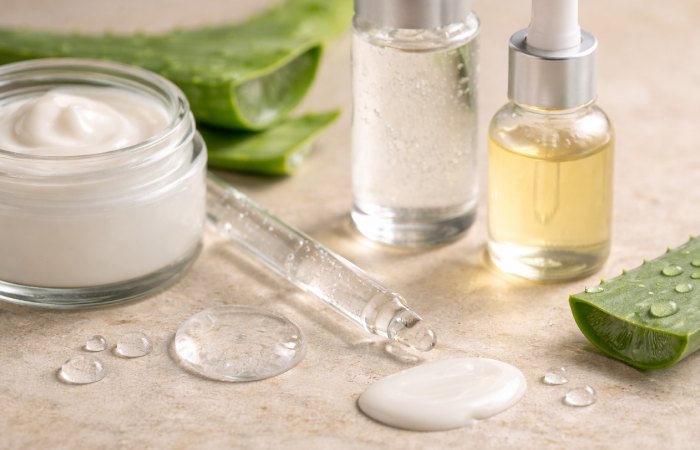
Understanding HOW ingredients work helps you evaluate labels beyond marketing claims.
Ceramides – How They Repair Your Skin Barrier
What they are: Lipid molecules making up roughly 50% of your skin’s outer barrier, according to research published in the Journal of Lipid Research on epidermal lipid composition.
How they work: Here’s the key—dry skin usually has depleted ceramide levels, creating microscopic gaps in your barrier. Those gaps let moisture escape and irritants in. Clinical studies published in the Journal of Dermatology show that topical ceramides fill these gaps, reducing transepidermal water loss (TEWL) and improving skin barrier function. If your barrier is severely compromised, targeted treatment approaches backed by dermatology research may be necessary.
Look for: “Ceramide NP,” “ceramide AP,” or numbered ceramides (1, 3, 6-II) on labels. CeraVe’s formulas use a combination of three types.
Why it matters in cleansers: Most cleansers remove some natural ceramides during washing. Ceramide-containing cleansers replace what they take, making the process barrier-neutral—or even slightly restorative.
Hyaluronic Acid – The Moisture Magnet
What it is: A naturally occurring molecule (glycosaminoglycan) in your skin, joints, and connective tissue.
How it works: Each molecule holds up to 1,000 times its weight in water. When applied during cleansing on damp skin, it binds moisture to your surface and prevents that tight, dry feeling as water evaporates post-wash.
Look for: “Sodium hyaluronate” (smaller molecule, better penetration) or “hyaluronic acid” on labels.
Why it matters in cleansers: Provides an immediate hydration cushion, reducing the stripped sensation.
Glycerin – The Underrated Hydrator
What it is: A humectant and one of the most well-studied moisturizing ingredients in dermatology.
How it works: Glycerin pulls water from deeper skin layers to the surface and, when humidity allows, can also draw moisture from the air. It strengthens barrier function by supporting natural lipid production.
Look for: Glycerin in the first 5-7 ingredients (indicates meaningful concentration).
Why it matters in cleansers: Extremely gentle and unlikely to irritate, making it ideal for sensitive dry skin. Present in nearly all dermatologist-recommended formulas.
Ingredients to Avoid with Dry Skin
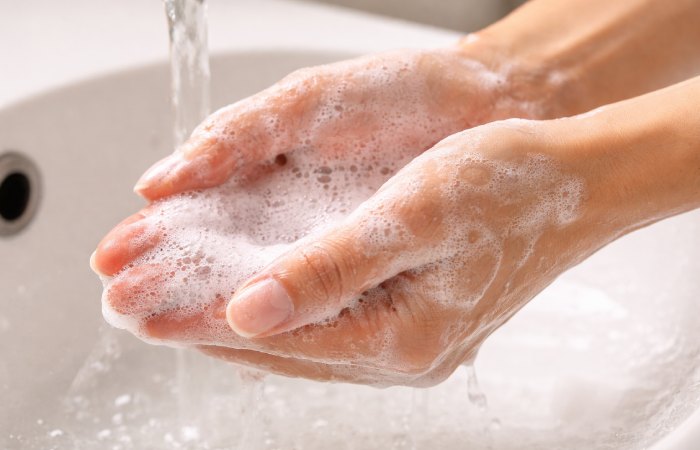
Knowing what to skip matters as much as knowing what to seek.
Harsh Sulfates (SLS/SLES)
What they are: Sodium Lauryl Sulfate (SLS) and Sodium Laureth Sulfate (SLES)—aggressive surfactants that create that satisfying foam.
Why they’re a problem for dry skin: They’re TOO good at their job. Studies published in Contact Dermatitis journal show SLS disrupts the stratum corneum and strips away natural protective lipids along with dirt and oil. That’s why your skin feels squeaky clean—and then painfully tight an hour later.
What to choose instead: Gentler alternatives like cocamidopropyl betaine, sodium cocoyl isethionate, or decyl glucoside. These still cleanse effectively but don’t demolish your barrier in the process.
Important nuance: Not all foaming cleansers contain SLS. Many modern formulas foam using mild surfactants, so don’t write off every foaming product automatically—check the ingredients.
Alcohol and Astringents
What to avoid: SD alcohol, denatured alcohol, isopropyl alcohol (especially if listed in the first 10 ingredients).
Why they’re problematic: These alcohols are highly drying and worsen barrier dysfunction. Astringents like alcohol-based witch hazel have the same effect.
Exception: Fatty alcohols like cetyl alcohol and stearyl alcohol are actually emollients and beneficial for dry skin. Don’t confuse these with drying alcohols.
Synthetic Fragrances
Why they’re problematic: Fragrance ranks as one of the most common skincare allergens. When your barrier is already compromised (as with dry skin), you’re more vulnerable to irritation and sensitization reactions.
What to look for instead: Products labeled “fragrance-free” (not “unscented,” which may contain masking fragrance).
Common Mistakes When Cleansing Dry Skin
Even the best cleanser won’t rescue you from these routine saboteurs:
Using water that’s too hot: Hot water strips oils faster than any ingredient can. Stick to lukewarm.
Over-cleansing: Twice-daily washing can be overkill for dry skin. Many people do better with one thorough cleanse at night and just a water rinse in the morning. If your skin feels tight by midday, you’re probably overdoing it.
Rubbing skin dry: Pat instead. Friction irritates compromised skin.
Waiting too long to moisturize: That tight feeling kicks in as water evaporates.
Same cleanser in January and July: Winter demands richer formulas; summer might let you go lighter. If your skin rebels seasonally, adjust accordingly.
Expecting miracles from your cleanser alone: It rinses off in 60 seconds. A good cleanser supports your barrier—but it can’t replace proper moisturizer or, in severe cases, dermatologist intervention.
How to Choose the Right Face Wash for Your Dry Skin Type
Not all dry skin presents the same way. Use this framework:
If your skin feels tight and uncomfortable after washing:
- Choose: Cream or lotion cleanser with ceramides
- Avoid: Most foaming cleansers, especially those that leave your skin feeling tight
- Top pick: CeraVe Hydrating Facial Cleanser or La Roche-Posay Toleriane
If your skin is flaky or rough in texture:
- Choose: Oil-based cleanser or very rich cream
- Avoid: Gel cleansers, even hydrating ones
- Top pick: DHC Deep Cleansing Oil (first cleanse) + Vanicream Gentle (second cleanse)
If your skin is dry AND sensitive (reacts to many products):
- Choose: Minimal-ingredient, fragrance-free formula
- Avoid: Products with botanical extracts, essential oils, or fragrances
- Top pick: Vanicream Gentle Facial Cleanser
If your skin is dry with occasional breakouts:
- Choose: Gentle foaming cleanser with ceramides or zinc
- Avoid: Heavy cream cleansers that may clog pores
- Top pick: CeraVe Foaming Facial Cleanser or La Roche-Posay Effaclar
If you wear heavy makeup or waterproof sunscreen:
- Choose: Oil-based first cleanser (double cleanse method)
- Avoid: Expecting one cream cleanser to remove everything
- Top pick: DHC Deep Cleansing Oil, followed by any cream cleanser above
Seasonal Adjustments for Dry Skin Cleansing
Your cleanser shouldn’t be static year-round.
Winter (Cold, Low Humidity):
- Switch to richer cream cleansers
- Consider cleansing once daily (night only)
- Add a cleansing oil as first step if skin feels extremely tight
- Prioritize occlusives in your formula
Summer (Heat, Higher Humidity):
- Lighter gel-cream cleansers may be sufficient
- You might tolerate gentle foaming formulas better
- Twice-daily cleansing is more comfortable if sweating
- Emphasize humectants over heavy emollients
How to know when to switch: Monitor how your skin feels 30 minutes post-cleanse. Tight or uncomfortable? Go richer. Comfortable? Stay where you are.
Who This Is For / Who Should Consider Alternatives
Best for:
- Persistently tight, uncomfortable skin after cleansing with traditional face wash
- Flaky, rough texture that doesn’t improve with moisturizer alone
- Sensitive skin that reacts to foaming cleansers
- Those with compromised skin barrier (eczema-prone, post-treatment, over-exfoliated)
- Anyone experiencing increased dryness from aging, climate, or harsh water
Consider alternatives if:
You have oily or combination skin: These cream cleansers may feel too heavy. Try gel or foaming cleansers designed for your skin type first.
You have severe active acne: Prioritize acne-focused cleansers with salicylic acid or benzoyl peroxide, then address dryness with your moisturizer and treatment products.
You’re allergic to common moisturizing ingredients: Patch-test any new product. Consult a dermatologist for allergy testing.
Your “dry skin” is actually dehydrated skin: If your skin produces oil but still feels dry, focus on hydrating ingredients like hyaluronic acid and glycerin rather than very rich, heavy cleansers.
Final Verdict
The best face wash for dry skin does three things: cleans effectively, preserves your natural moisture barrier, and deposits hydrating ingredients while it works.
Start here: CeraVe Hydrating Facial Cleanser delivers ceramides and hyaluronic acid at an accessible price point. If your skin still feels tight after 2–3 weeks, step up to La Roche-Posay Toleriane or add DHC Deep Cleansing Oil as a first cleanse. If your skin still feels tight after 2-3 weeks, step up to La Roche-Posay Toleriane or add DHC Cleansing Oil as a first cleanse.
But here’s what matters more than the product—your full routine. The right cleanser is one part of barrier support. Build a complete skincare routine for dry skin that includes the right moisturizer, SPF, and any targeted treatments your skin needs. Remember to adjust seasonally if your skin’s behavior changes.
If dry, tight skin persists after 4-6 weeks with a proper gentle routine, see a board-certified dermatologist. Severe dryness can signal eczema, seborrheic dermatitis, or thyroid dysfunction that needs medical attention, not just better products.
Frequently Asked Questions
Q: What should I look for in a face wash for dry skin?
A: Look for cream or oil-based formulas with barrier-supporting ingredients like ceramides, hyaluronic acid, and glycerin. Avoid harsh sulfates (SLS/SLES), alcohol, and synthetic fragrances.
Q: How often should I wash my face if I have dry skin?
A: Most people with dry skin benefit from cleansing once daily at night to remove makeup, sunscreen, and daily buildup. In the morning, a water rinse or micellar water is often sufficient. If you work out in the morning or have heavy sun exposure, twice-daily gentle cleansing is appropriate.
Q: Are foaming cleansers always bad for dry skin?
A: Not necessarily. Traditional foaming cleansers with SLS or SLES can be too harsh, but modern formulas with gentle surfactants like cocamidopropyl betaine can foam without stripping. However, cream or oil-based cleansers are typically safer bets for very dry skin.
Q: Can I use the same face wash year-round with dry skin?
A: You may need to adjust. Winter’s cold, dry air often requires richer cream cleansers or oil-based options, while summer may allow lighter gel-cream formulas. If your skin feels tight after cleansing, it’s time to switch to a more hydrating option.
Q: What ingredients should I absolutely avoid with dry skin?
A: Avoid harsh sulfates (SLS/SLES), drying alcohols (SD alcohol, denatured alcohol), synthetic fragrances, and strong exfoliating acids in your daily cleanser. These disrupt the skin barrier and worsen dryness.
Q: Should I double cleanse if I have dry skin?
A: Yes, if you wear heavy makeup or waterproof sunscreen. Use an oil-based cleanser first (to dissolve makeup and SPF), followed by a gentle cream cleanser second (to remove any residue). If you don’t wear makeup daily, single cleansing with a cream cleanser is sufficient.
About Theglamourmedia
Theglamourmedia publishes practical, easy-to-understand content on health, technology, business, marketing, and lifestyle. Articles are based mainly on reputable, publicly available information, with AI tools used only to help research, organise, and explain topics more clearly so the focus stays on real‑world usefulness rather than jargon or unnecessary complexity.
Disclaimer:
This article is for general informational purposes only and is not a substitute for professional medical advice, diagnosis, or treatment. Skincare products can affect people differently, especially if you have conditions like eczema, acne, or allergies. Always patch-test new products and consult a board‑certified dermatologist or healthcare professional with any questions about your skin or before changing your routine.