

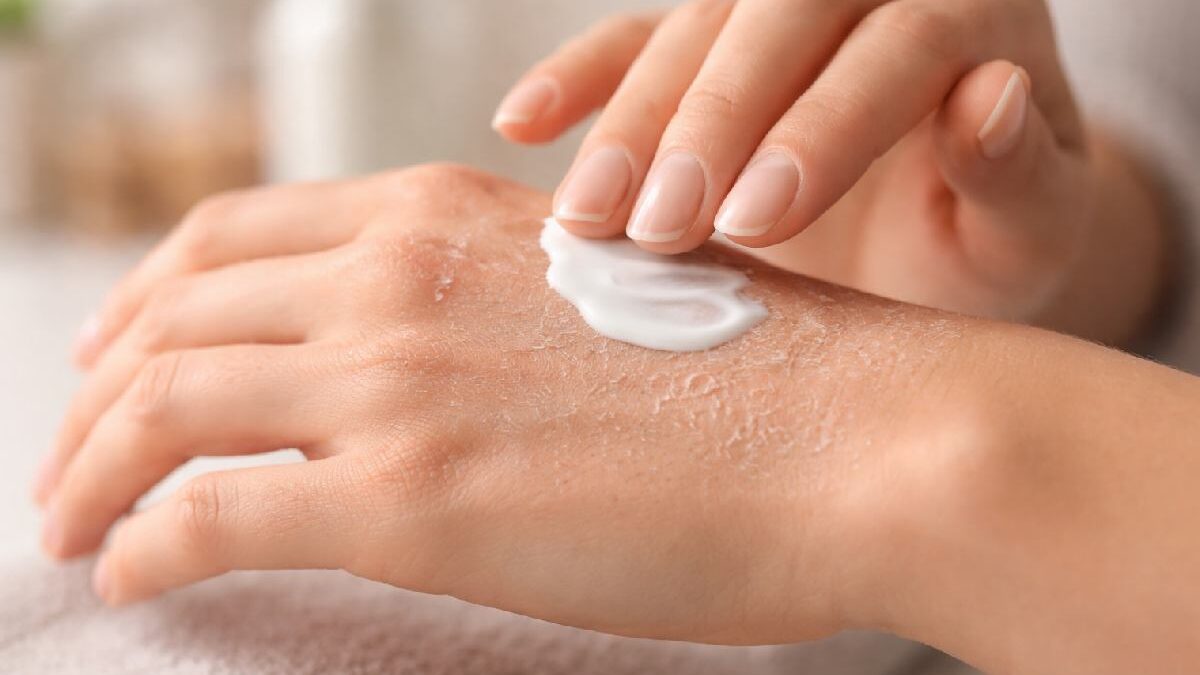
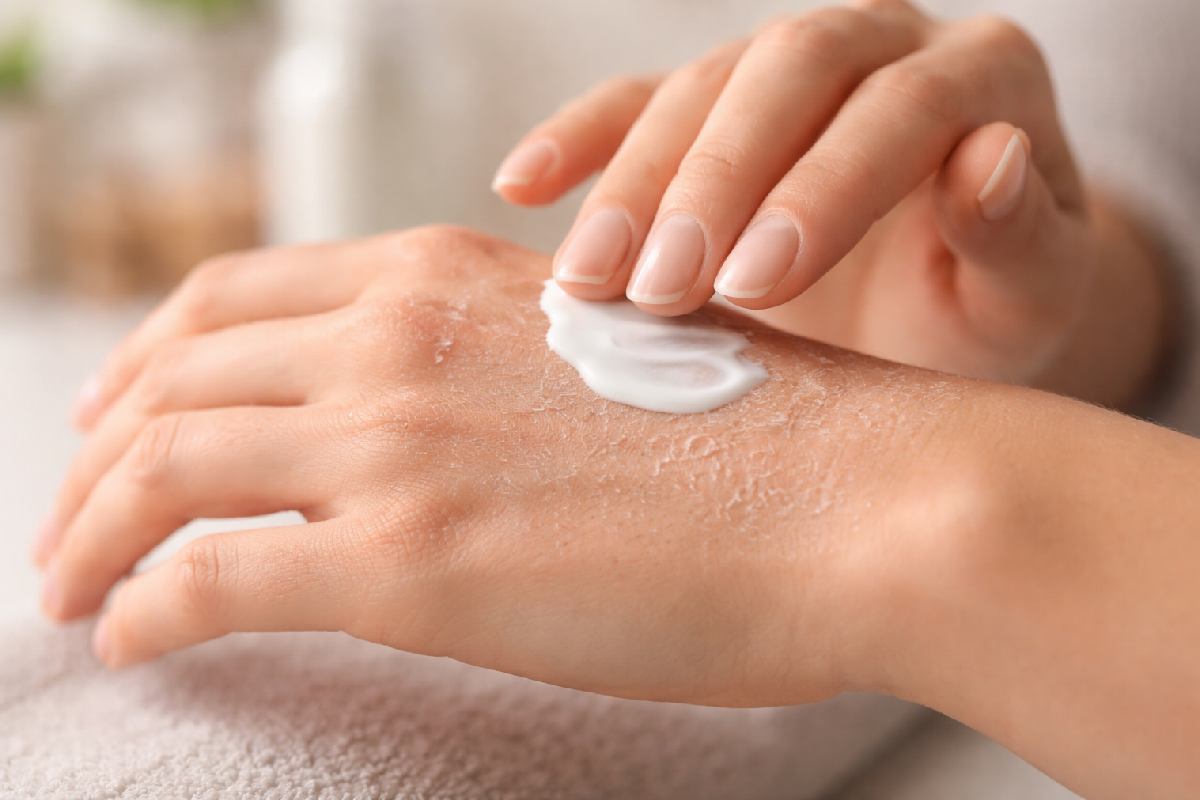
Dry, flaky skin isn’t just uncomfortable—it’s your skin barrier signaling it needs help.
When your skin’s protective outer layer loses moisture faster than it can replace it, you get tightness, itching, and visible flaking. Left alone, it can crack and become vulnerable to irritation and infection.
Here’s what makes the difference: understanding what causes moisture loss and implementing strategies that actually repair your skin barrier. This guide provides evidence-based solutions from dermatology research, mistake warnings you need to know, and seasonal adjustments that prevent backsliding.
Whether you’re dealing with occasional winter dryness or persistent year-round symptoms, you’ll learn how to identify root causes, choose the right treatments, and avoid the errors that make things worse.
Table of Contents
Quick Answers to Managing Dry Skin
- What causes dry skin? → Environmental factors (low humidity, cold weather), harsh soaps, hot showers, and overwashing strip moisture and damage the skin barrier
- Best treatment approach? → Apply a thick moisturizer to damp skin within 3 minutes of bathing, use gentle cleansers, and aim for indoor humidity around 30–50%
- Which moisturizer type works best? → Ointments and creams are more effective than lotions; look for ceramides, hyaluronic acid, and petrolatum
- Common mistakes to avoid? → Hot showers, over-exfoliating, skipping moisturizer after hand washing, and using fragrant or alcohol-based products
- When to see a doctor? → If skin cracks, bleeds, shows signs of infection, or doesn’t improve after 2-3 weeks of consistent home care
What Is Dry Skin (Xerosis)?
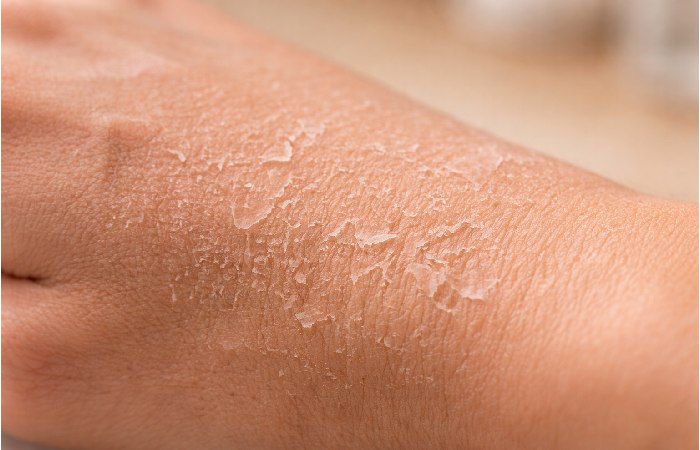
Dry skin, medically known as xerosis, occurs when the outermost layer of skin loses moisture and lipids faster than the body can replenish them. This leads to a compromised skin barrier, resulting in rough texture, flaking, tightness, and sometimes itching or redness.
Xerosis is one of the most common skin concerns, affecting people of all ages. While often temporary and mild, chronic dry skin can progress to painful cracks, inflammation, and increased vulnerability to irritants and infections.
Common symptoms include:
- Rough, scaly, or flaky patches
- Tightness, especially after bathing
- Itching (pruritus) ranging from mild to severe
- Redness or irritation
- Fine lines or cracks in the skin
- In severe cases, deep cracks that may bleed
The appearance varies depending on skin tone. On lighter skin, dryness often appears as redness and flaking. On darker skin tones, dry areas may appear ashy or grayish, with less visible redness.
How Dry Skin Actually Works — The Science
The Skin Barrier and Stratum Corneum
Why Dry Skin Develops: The Science Behind Moisture Loss
How Your Skin Barrier Works
Your skin’s outermost layer, the stratum corneum, functions as a protective barrier. It contains skin cells held together by lipids (fats) that prevent water from escaping and keep irritants out.
When this barrier is healthy, it maintains optimal hydration. When damaged or depleted, water evaporates more quickly (a process called transepidermal water loss), leading to dryness.
Think of your skin barrier like a brick wall. The skin cells are the bricks, and the lipids are the mortar holding them together. When the mortar deteriorates, the wall becomes permeable and weak.
Environmental Triggers
Cold weather and low humidity are the primary environmental causes. According to research from the National Institutes of Health, when humidity drops below 30%, skin loses moisture rapidly. Winter indoor heating further compounds this by creating dry air that pulls moisture from skin.
Other environmental factors include:
- Air conditioning in summer months
- Wind exposure
- High altitude
- Excessive sun exposure (damages skin barrier)
- Chlorinated swimming pools
Lifestyle and Behavioral Causes
Bathing habits significantly impact skin moisture. Here’s where most people go wrong:
- Hot showers strip natural oils from skin
- Long baths (over 10 minutes) cause excessive moisture loss
- Frequent hand washing, while necessary, removes protective oils
- Harsh or deodorant soaps disrupt the skin barrier
Additional lifestyle factors:
- Overwashing (more than once daily for full body)
- Vigorous towel drying (rubbing instead of patting)
- Using loofahs or exfoliating tools too frequently
- Choosing products with alcohol or fragrances
- Wearing wool or synthetic fabrics directly against skin
- Not protecting skin in extreme weather
Age-related changes also play a role. As we age, skin produces fewer natural oils—xerosis becomes more common in older adults.
Underlying medical conditions can contribute, including eczema, psoriasis, hypothyroidism, diabetes, and kidney disease. Certain medications (statins, diuretics, retinoids) also cause dryness as a side effect.
Transepidermal Water Loss (TEWL) Explained
- Hot water strips lipids from the stratum corneum
- Harsh soaps and sulfates dissolve the lipid “mortar”
- Low humidity environments pull moisture out of the skin
- Over-exfoliation physically removes protective barrier cells
- Aging naturally reduces lipid production
Common Causes of Dry Skin
Environmental Triggers
- Cold, dry weather— Winter air holds less moisture, and indoor heating further drops humidity
- Sun exposure — UV radiation damages the skin barrier and accelerates moisture loss
- Dry climates— Desert or arid regions increase baseline TEWL
- Air conditioning and central heating— Both strip moisture from indoor air
Lifestyle and Hygiene Factors
- Long, hot showers — Water above 40°C (104°F) can strip the lipid barrier faster and worsen dryness
- Harsh cleansers — Products with sodium lauryl sulfate (SLS), alcohol, or heavy fragrance damage the stratum corneum
- Over-washing— Frequent hand-washing (especially with soap) is one of the most common causes of dry hands
- Over-exfoliation— Scrubs and strong acids (glycolic, salicylic) used too often thin the barrier
- Smoking — Reduces blood flow to the skin, impairing repair and hydration
Medical Conditions and Medications
- Eczema (atopic dermatitis)— A chronic barrier dysfunction condition
- Psoriasis — Causes rapid skin cell turnover and flaking
- Hypothyroidism — Slows skin cell turnover and oil production
- Diabetes — Can cause widespread dryness, especially on legs and feet
- Kidney disease— Affects the body’s ability to regulate fluid balance
- Medications— Diuretics, retinoids, statins, and some acne treatments can cause dryness as a side effect
Signs and Symptoms to Watch For
- Mild: Tightness after washing, slight roughness, occasional flaking
- Moderate: Visible flaking and scaling, persistent itchiness, dull or ashy appearance
- Severe: Deep cracks (fissures), bleeding, intense itching that disrupts sleep, redness or inflammation
How to Manage Dry Skin: Evidence-Based Strategies
Managing dry skin requires a multi-step approach addressing both the causes and symptoms. Follow these strategies in order for maximum effectiveness.
Step 1 – Fix Your Bathing Habits
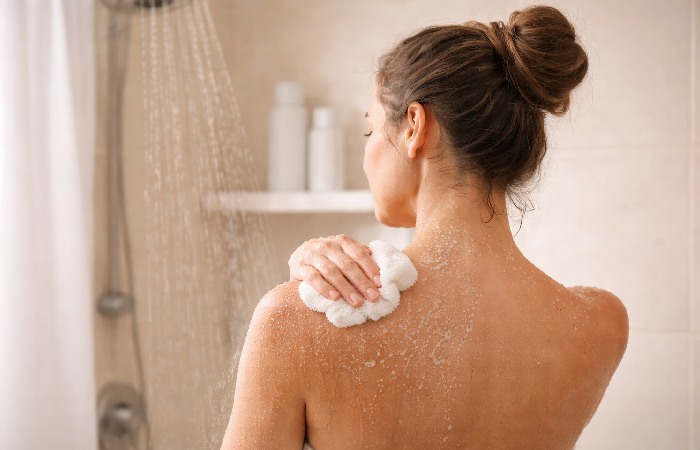
Your shower routine is likely the primary culprit. The good news? Making these adjustments can produce dramatic improvements within days.
Limit bathing time and temperature:
- Keep showers and baths to 5-10 minutes maximum
- Use lukewarm water, not hot (test with your hand; it should feel comfortable, not steaming)
- Close the bathroom door to maintain humidity while bathing
Choose gentle cleansers:
- Select fragrance-free, mild cleansers labeled for sensitive or dry skin
- Avoid deodorant soaps and antibacterial products (unless medically necessary)
- Use soap only where needed (underarms, groin, feet)—not your entire body
- Consider soap-free cleansing creams like Cetaphil or CeraVe
Dry skin gently:
- Pat skin with a towel. Never rub vigorously.
- Leave skin slightly damp (this matters for the next step)
- Avoid loofahs, scrub brushes, and exfoliating tools during flare-ups
Step 2 – Choose the Right Moisturizer Type
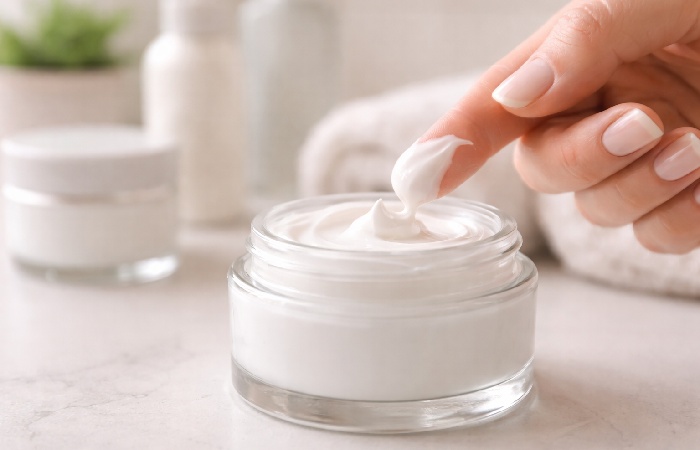
Not all moisturizers are equally effective. Understanding the differences helps you select the right product for your needs.
| Moisturizer Type | Oil Content | Absorption | Effectiveness | Best For |
|---|---|---|---|---|
| Ointment | 80% oil, 20% water | Slow; feels greasy | Most effective | Severe dryness, nighttime use, hands/feet |
| Cream | 50% oil, 50% water | Moderate | Very effective | Daily use, face and body, moderate dryness |
| Lotion | 20% oil, 80% water | Fast; lightweight | Least effective | Mild dryness, summer months, oily areas |
The thicker and greasier, the better it works. That sounds counterintuitive, but it’s true.
Ointments like petroleum jelly create an occlusive barrier that dramatically reduces water loss. Creams balance effectiveness with cosmetic appeal—most people prefer them for daytime use.
The American Academy of Dermatology recommends ointments and creams over lotions for managing dry skin because they contain more oil, which seals moisture into the skin more effectively.
Step 3 – Apply at the Right Time
Timing is everything. The most critical rule: Apply moisturizer to damp skin within 3 minutes of bathing.
Here’s why this works. When skin is wet, water molecules sit on the surface. Applying an occlusive moisturizer immediately traps that water—multiplying hydration effectiveness by up to 10 times compared to applying to completely dry skin.
Application frequency:
- After every hand washing (keep hand cream accessible)
- After bathing (face and body)
- Before bed (hands, feet, and dry patches)
- Anytime skin feels tight or uncomfortable
For hands and feet: Apply a thick layer of petroleum jelly or heavy cream before bed, then wear cotton gloves or socks overnight for intensive treatment.
The 3-Minute Rule
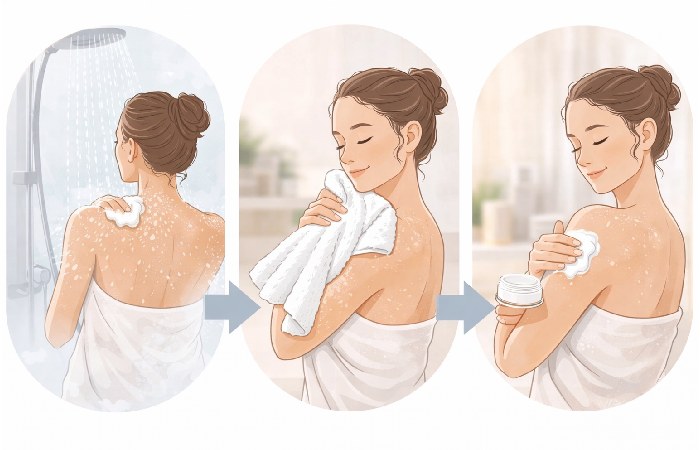
For maximum effectiveness:
- Bathe in lukewarm water (5-10 minutes)
- Pat skin damp (don’t rub completely dry)
- Apply moisturizer within 3 minutes
This traps water molecules under the moisturizer, multiplying hydration by up to 10x.
Step 4 – Optimize Your Environment
Use a humidifier to add moisture to indoor air, especially during winter heating and summer air conditioning.
- Set humidity to 30-50% (use a hygrometer to measure)
- Place humidifiers in bedrooms and primary living spaces
- Clean regularly to prevent mold growth
Protect skin from harsh conditions:
- Wear gloves when going outside in cold weather
- Use gloves when washing dishes or cleaning
- Avoid sitting directly in front of heaters or fireplaces
Understanding Moisturizer Types: What Works Best
Key Ingredients That Actually Work
Moisturizers work through three mechanisms. The best products combine all three.
1. Humectants attract water to the skin:
- Hyaluronic acid – Holds up to 1,000 times its weight in water
- Glycerin – Draws moisture from the air and deeper skin layers
- Urea – Attracts water and gently exfoliates dead skin cells
2. Emollients smooth and soften skin by filling spaces between skin cells:
- Ceramides – Lipids that reinforce the skin barrier (critical for repair)
- Fatty acids – Linoleic acid, lauric acid
- Shea butter – Natural emollient rich in vitamins
3. Occlusives create a physical barrier to seal in moisture:
- Petrolatum (petroleum jelly) – Most effective occlusive; can prevent most water loss from the skin’s surface
- Dimethicone – Silicone-based; less greasy than petrolatum
- Lanolin – Derived from wool; highly moisturizing but can cause allergies in some people
- Mineral oil – Affordable and effective
Clinical research demonstrates that products containing ceramides are particularly effective because they replenish the exact lipids the skin barrier needs to repair itself. To learn more about understanding how ceramides strengthen your skin barrier, see our complete skincare ingredients guide.
Ingredients to AVOID in dry skin products:
- Alcohol (except fatty alcohols like cetyl or stearyl alcohol)
- Fragrances and perfumes
- Harsh exfoliants (during active dryness)
- Alpha-hydroxy acids (AHAs) in high concentrations
How to Layer Products Correctly
If using multiple skincare products, apply in this order:
- Cleanser (on damp skin during bathing)
- Treatment products if prescribed (prescription creams, medications)
- Humectant-rich serum on damp skin (optional, for extra hydration)
- Moisturizer (cream or ointment) while skin is still slightly damp
- Sunscreen in the morning (choose a moisturizing formula)
The key: Never let skin fully dry between steps. Layer products while previous layers are still slightly damp.
Common Mistakes That Make Dry Skin Worse
Avoid these errors that sabotage even the best treatment plans.
1. Taking hot showers or long baths
Despite feeling good in the moment, hot water strips natural oils and damages your skin barrier. Even one hot shower can cause irritation that takes days to repair.
2. Waiting too long to moisturize
Applying moisturizer 10-15 minutes after bathing is significantly less effective than applying within 3 minutes. The window of opportunity is narrow—don’t miss it.
3. Using the wrong cleanser
Harsh soaps marketed as “deep-cleaning” or “antibacterial” remove beneficial oils and disrupt the skin microbiome. Choose gentle, fragrance-free options instead.
4. Over-exfoliating
Physical scrubs, loofahs, and chemical exfoliants can worsen dryness by removing the protective outer layer before it’s had time to repair. Skip these during flare-ups.
5. Skipping moisturizer after hand washing
Frequent hand washing is necessary, but each wash strips protective oils. Keep hand cream near every sink and apply after each wash—no exceptions.
6. Choosing products with fragrance
“Unscented” doesn’t always mean fragrance-free. Manufacturers may add masking fragrances. Look specifically for “fragrance-free” labels.
7. Using lotions when you need creams or ointments
If your skin feels dry an hour after applying lotion, you need a thicker product. Don’t just apply more frequently—upgrade to a cream or ointment.
8. Believing drinking water alone will fix dry skin
While overall hydration is important for health, drinking extra water won’t significantly improve dry skin. The problem isn’t internal dehydration—it’s your skin barrier’s inability to retain moisture. Topical treatment is essential.
When to See a Dermatologist
While most dry skin responds to home care, certain signs indicate you need professional evaluation.
See a dermatologist if you experience:
- Skin that doesn’t improve after 2-3 weeks of consistent moisturizing
- Deep cracks or fissures that bleed
- Severe itching that disrupts sleep or daily activities
- Signs of infection (oozing, yellow crusting, increased warmth or redness)
- Circular patches with distinct borders (could indicate ringworm or eczema)
- Dry skin accompanied by extreme fatigue or unexplained weight changes (possible thyroid issue)
- Large areas of skin peeling or scaling
- Dry skin that developed after starting a new medication
If you’re uncertain about distinguishing between eczema and simple dryness, consult a dermatologist for proper diagnosis.
Professional treatments a dermatologist may recommend:
- Prescription moisturizers with higher concentrations of active ingredients (urea, ceramides, lactic acid)
- Topical corticosteroids for short-term use to reduce inflammation
- Phototherapy for severe cases
- Evaluation for underlying conditions such as eczema, psoriasis, or systemic diseases
Medical conditions that can cause chronic dry skin:
- Atopic dermatitis (eczema)
- Psoriasis
- Hypothyroidism
- Diabetes
- Kidney disease
- Malnutrition or vitamin deficiencies
If you have any diagnosed medical condition and develop new or worsening dry skin, consult your doctor to rule out complications.
Seasonal Dry Skin Management
Skin needs different care depending on environmental conditions. Adjust your routine as seasons change.
Winter Routine Adjustments
Winter presents the harshest challenges: outdoor cold plus indoor heating create extremely low humidity.
Winter-specific strategies:
- Switch from creams to ointments for nighttime application
- Increase moisturizing frequency (3-4 times daily may be necessary)
- Use a humidifier in your bedroom every night
- Protect exposed skin (hands, face) with gloves and scarves before going outside
- Apply an extra-thick layer of moisturizer to hands and feet before bed
- Consider switching to an even gentler cleanser or reducing cleansing frequency
Transition timing: Begin implementing winter strategies in late autumn, before symptoms worsen. Prevention is easier than treatment.
Summer and Year-Round Care
Summer dryness often surprises people, but air conditioning, chlorinated pools, and sun exposure all damage the skin barrier.
Summer adaptations:
- You may prefer lighter creams over ointments for daytime
- Continue using thicker products at night
- Apply moisturizer immediately after swimming (chlorine is very drying)
- Use moisturizing sunscreen daily (combine sun protection with hydration)
- Maintain consistent moisturizing even if skin looks better
Year-round habits for prevention:
- Keep hand cream at every sink, in your car, and in your bag
- Apply body moisturizer daily, even when skin feels fine
- Use gentle, fragrance-free products consistently
- Run a humidifier whenever indoor heating or cooling is active
- Protect skin from extreme temperatures
The key to seasonal management: Start adjusting your routine before symptoms appear, not after skin is already compromised.
Who This Guide Is For / Who Should Seek Medical Care
This guide is best for:
- Adults and teens with mild to moderate dry skin
- People experiencing seasonal dryness (winter, low humidity environments)
- Those comfortable with self-care and preventive skincare
- Anyone seeking to understand moisturizer science and make informed product choices
This guide is NOT sufficient for:
- Severe dry skin with deep cracks or bleeding
- Diagnosed eczema, psoriasis, or other chronic skin conditions (requires medical management)
- Infants and young children with dry skin (consult pediatrician)
- Dry skin accompanied by systemic symptoms (fatigue, weight loss, hair loss)
- Suspected skin infections or allergic reactions
When home care isn’t enough: If you’ve followed these strategies consistently for 3 weeks without improvement, professional evaluation is appropriate. Don’t continue struggling when prescription treatments could provide relief.
Final Verdict: Your Action Plan
Dry skin is highly manageable with the right approach. Success comes from addressing causes, not just symptoms.
Your three-step action plan:
1. Fix your bathing habits immediately
- Shorten showers to 5-10 minutes
- Lower water temperature to lukewarm
- Switch to gentle, fragrance-free cleanser
2. Apply the right moisturizer at the right time
- Choose cream or ointment (not lotion) for effective relief
- Apply to damp skin within 3 minutes of bathing
- Look for products containing ceramides, hyaluronic acid, or petrolatum
3. Optimize your environment and avoid common mistakes
- Run a humidifier (30-50% humidity)
- Stop over-exfoliating and using hot water
- Apply moisturizer after every hand washing
The bottom line: Petroleum jelly applied to damp skin after a 5-minute lukewarm shower is more effective than expensive lotions applied to dry skin.
Focus on technique and timing, not just products.
Start with these fundamentals. If improvement doesn’t occur within 2-3 weeks, consult a dermatologist to rule out underlying conditions.
Frequently Asked Questions
Q: What vitamin deficiency causes dry skin?
A: Vitamin D deficiency is most commonly associated with dry skin, though deficiencies in vitamins A, C, and B-complex can also contribute. However, environmental and behavioral factors (harsh soaps, hot showers, low humidity) are far more common causes than nutritional deficiencies. If you suspect a deficiency, consult your doctor for blood testing rather than self-supplementing.
Q: Is petroleum jelly (Vaseline) good for dry skin?
A: Yes, petroleum jelly is one of the most effective treatments for dry skin. It’s an occlusive that can prevent most transepidermal water loss from the skin’s surface. While it feels greasy, it’s ideal for nighttime use on severely dry areas like hands, feet, elbows, and knees. Apply it to damp skin for best results. It’s also inexpensive and fragrance-free.
Q: How do you permanently get rid of dry skin?
A: Dry skin can’t be “permanently cured” because environmental factors and aging continually affect skin moisture. However, you can manage it effectively long-term by maintaining consistent habits: using gentle cleansers, applying moisturizer to damp skin daily, running a humidifier in dry conditions, and avoiding hot water. Prevention and maintenance are key.
Q: What foods help with dry skin?
A: Foods rich in omega-3 fatty acids (salmon, walnuts, flaxseeds), vitamin E (almonds, sunflower seeds), and antioxidants (berries, leafy greens) support overall skin health. However, dietary changes alone won’t fix dry skin if you’re using harsh products or taking hot showers. Combine good nutrition with proper topical skincare for best results.
Q: Can drinking more water cure dry skin?
A: No. While staying hydrated is important for overall health, drinking extra water won’t significantly improve dry skin because the problem lies in the skin barrier’s inability to retain moisture, not in overall body hydration. Topical treatment with moisturizers is essential. Think of it like a leaky bucket—you need to fix the leak (skin barrier), not just add more water.
Q: What’s the difference between dry skin and dehydrated skin?
A: Dry skin is a skin type with low oil production, while dehydrated skin is a temporary condition lacking water that can affect any skin type—even oily skin can be dehydrated. Dry skin needs oil-rich products (ointments, creams), while dehydrated skin needs water-based humectants (hyaluronic acid, glycerin). Many people have both. Treatment: use humectants to attract water, then occlusives to seal it in.