

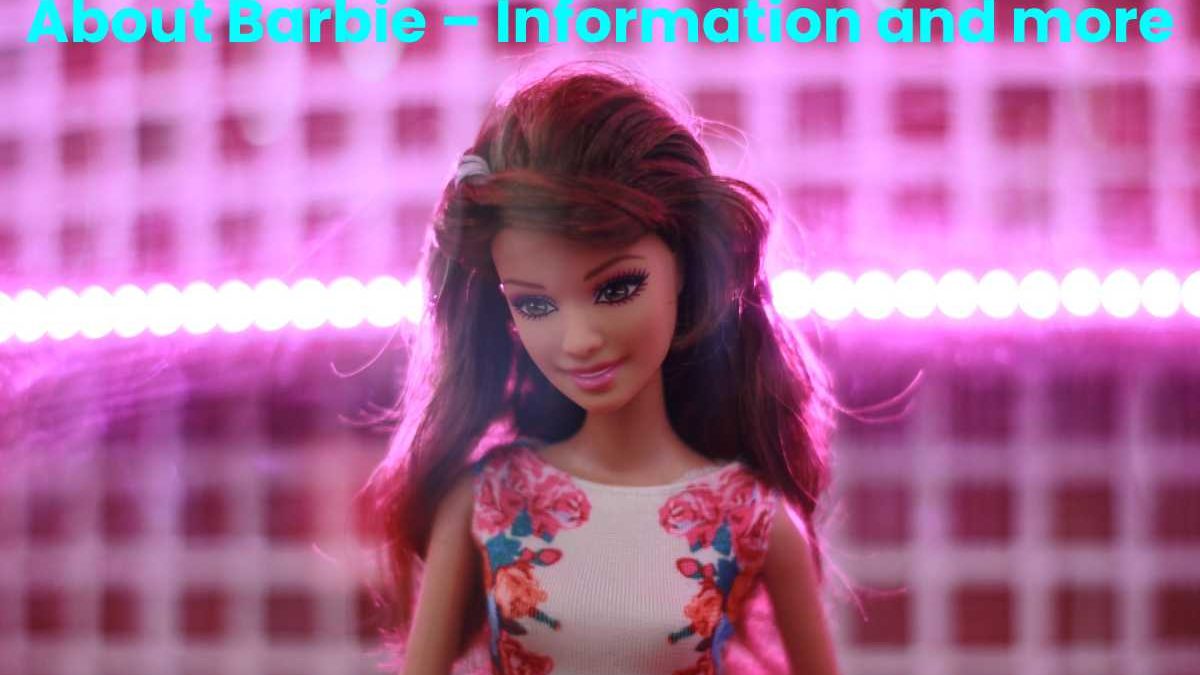
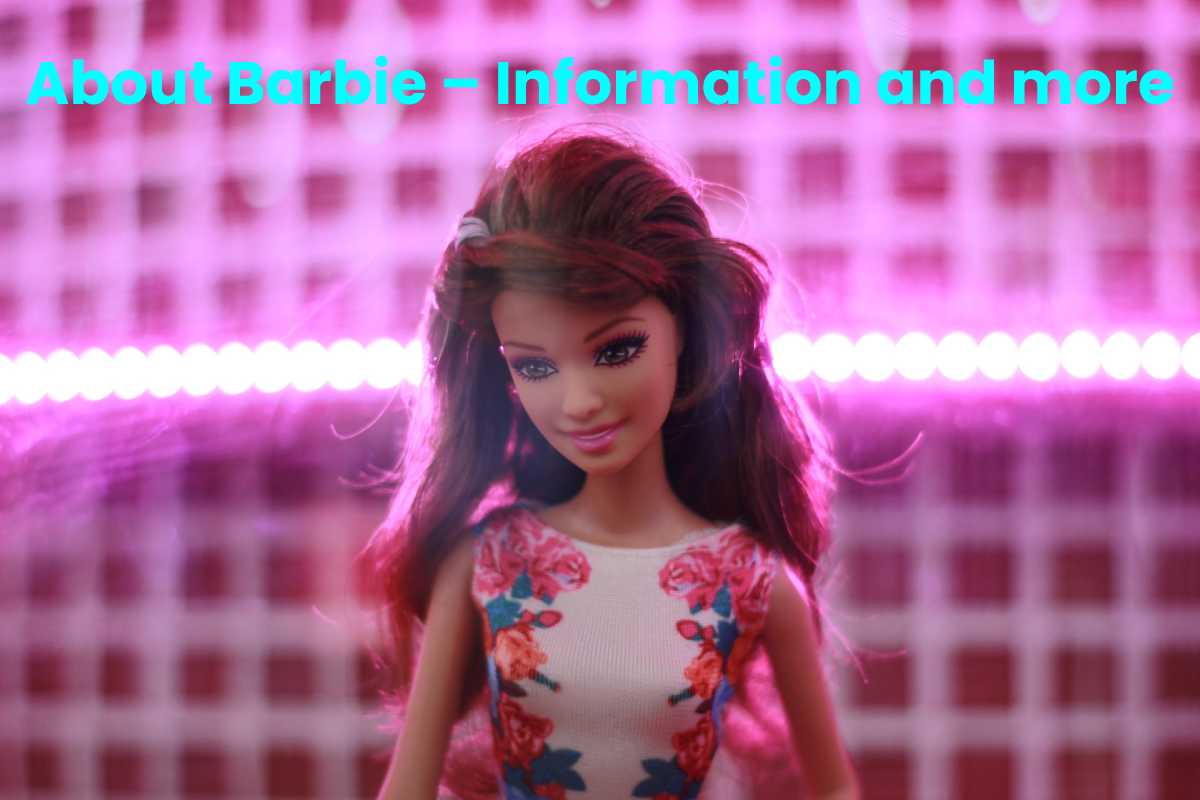
Barbie, in full, Barbara Millicent Roberts, is an 11-inch-tall plastic doll in the figure of an adult woman that was introduced on March 9, 1959, by Mattel, a Southern California toy company. Ruth Handler.
They co-founded Mattel through her husband, Elliot, who spearheaded the premiere of the doll. However, Barbie’s physical appearance remained modelled on the German Bild Lilli doll, a risqué gag gift for men based upon a cartoon character in the West German newspaper Bild Zeitung.
Since the doll’s inception, its body has incited controversy. Mothers in a 1958 Mattel-sponsored market education before the doll’s announcement criticized for having “too much of a figure.” Mattel circumvented this problem, however, by advertising directly to children via television. In addition, Mattel supported Walt Disney’s Mickey Mouse Club program in 1955 and became the first toy firm to broadcast commercials to children.
Table of Contents
Information about Barbie
Since the 1970s, Barbie has remained criticized for materialism (amassing cars, houses, and clothes) and unrealistic body proportions. In fact, in 1994, investigators in Finland announced that if she were a real woman, she would not have enough body fat to menstruate.
Yet various women who played with the doll credit Barbie for providing an alternative to restrictive 1950s gender roles. Unlike baby dolls, Barbie did not teach nurturing. Outfitted with career paraphernalia, the beauty remained a model for financial self-sufficiency.
As a fashion doll, Barbie also made clothing part of her appeal. For a real-world example of a bold pink fashion piece, see Zara pink pants.
Nor was the doll defined by relationships of duty to men or family. Barbie has no parents or offspring. When in the early 1960s, consumers clamoured for a Barbie-scale baby, Mattel did not make a mother but issued a “Barbie Baby-Sits” playset.
Faqs
Who is Barbie?
Barbie remains an 11-inch (29 cm) tall plastic doll with the figure of an adult woman, initially shown on the German Bild Lilli doll (produced from 1955 to 1964), a risqué gag gift for men. The target demographic is young children. Barbie’s total tag is Barbara Millicent Roberts.
Are Barbies Still Popular?
Barbie is a very popular collectable. Aficionados are interested in equally old Barbies and the special-edition Barbies Mattel makes to cater to this market. Although Barbie’s sales later in the year 2000 have not risen as sharply as they did in the 1990s, they still amounted to more than a billion dollars annually.
When did Barbie Officially make her Debut?
Barbie formally debuted on March 9, 1959, at the American International Toy Fair in New York City as a creation of Mattel, Inc.’s Ruth Handler. The trainer got her inspiration from the German Bild Lilli doll in 1956, and the expansion of the [Barbie] doll began soon after. However, it was first sold in 1958.
What are the Debates Surrounding Barbie?
Two of Barbie’s most significant common criticisms are extreme materialism communicated through the doll’s “lifestyle” and the doll’s impractical body proportions. Stuff sold as accessories to the doll comprised cars, planes, animals, and houses.
And more, all of which, according to critics, idealize wealth accumulation and also present an arguably unhealthy body image with its unbearable body figure.
Conclusion:
Barbie is the most popular fashion doll ever produced. The No. 1 fashion doll property in the U.S. A Dreamhouse remained sold every two minutes and remained first introduced in 1962. is the most diverse fashion doll on the market.