

Last Updated: October 27, 2026
A friend, family member, or skin doctor may recommend a chemical peel to clear up a troublesome skin condition.
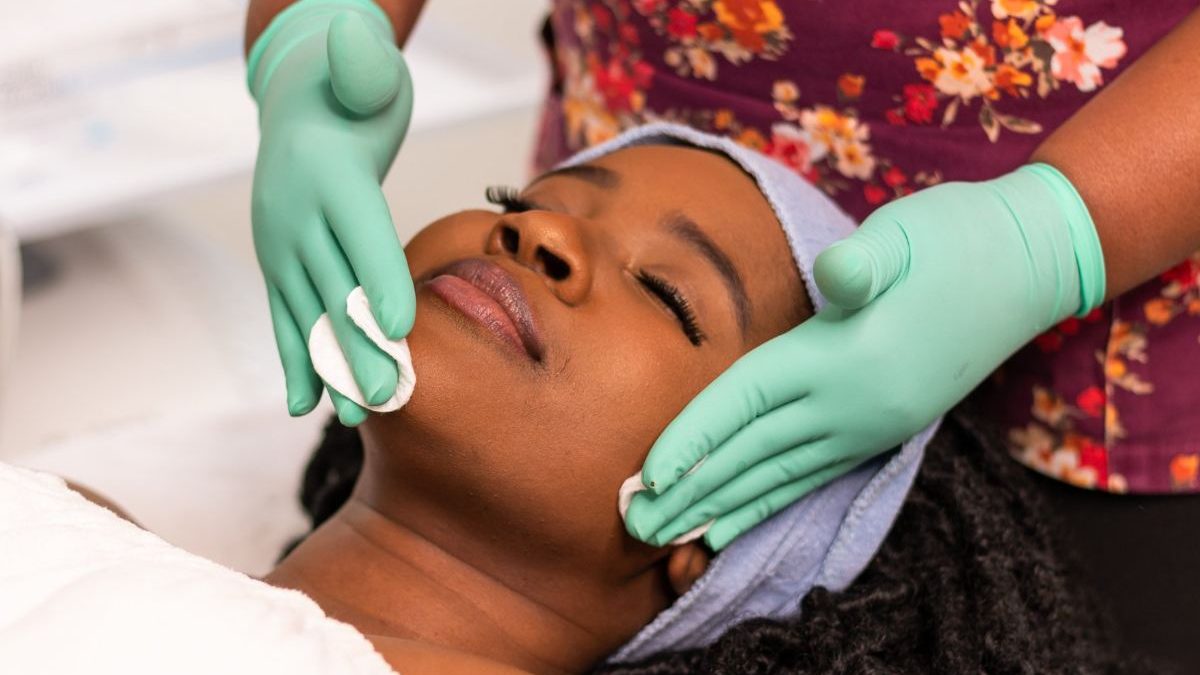
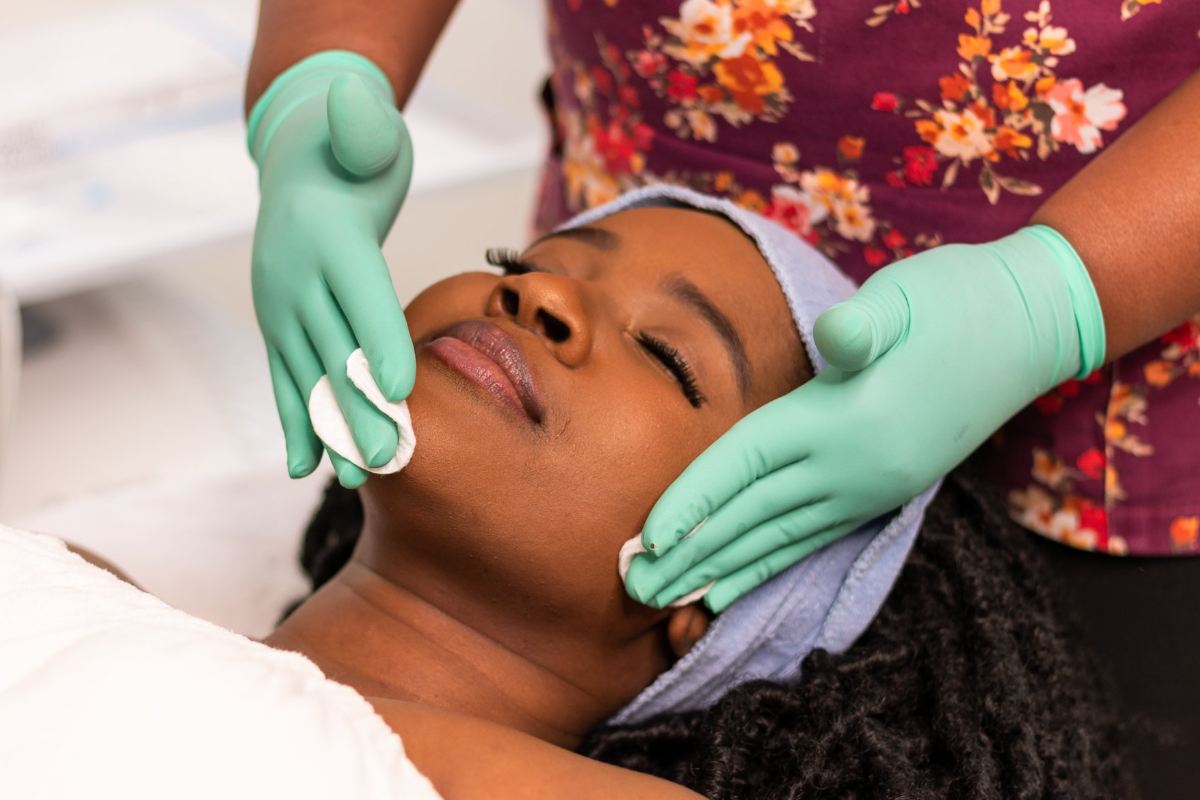
Chemical peels are cosmetic treatments applied to the face and neck to remove damaged skin cells.
Your board-certified dermatologist will match different acids to create a solution suitable for your skin concern. The solution is then applied in a controlled procedure.
The outcome is smooth, blemish-free skin, based on the type of peels used.
Chemical peels shed off dead surface skin, so there needs to be care when utilizing the treatment.
Because a peel can leave skin temporarily vulnerable, follow your dermatologist’s aftercare instructions before applying additional products. A&D ointment is a skin protectant, but ask your dermatologist before using it on recently peeled skin.
There’s a typical delusion that people with dark skin cannot get chemical peels.
It’s understandable since some cases of damaged skin and post-inflammatory hyperpigmentation (dark spots) exist. However, these are the omission and not the norm.
It all boils down to the type of peel and your doctor’s knowledge of dealing with dark skin.
At Eternal Dermatology + Aesthetics, we perform hundreds of chemical peels yearly, particularly on dark skin.
So in this article, we’ll cover the type of chemical peels available and how they can impact skin of color.
We’ll also give you some tips to make the process as smooth as possible.
Table of Contents
Key uses of Peels
Why would you use a chemical peel anyway? There are hundreds, if not thousands of skincare products on the market to deal with almost every skincare concern. So is a peel essential? Most skincare products send ingredients to the exterior level of your skin.
These can work over an extended period, but the results may not be as predictable. That said, chemical peels treat numerous conditions, which include:
Acne and Acne Scars:
Some skin care products can clear our acne but are powerless to stop the scars left behind. A chemical peel can help disrupt and remove acne scarring.
Wrinkles and fine lines:
Over time, our skin stops creating collagen, which helps with elasticity. That absence of elasticity makes wrinkles and fine lines on the upper layer of our skin when we frown. Biochemical peels can reduce the appearance of wrinkles by stimulating new collagen formation.
Uneven skin tones, also called Hyperpigmentation:
Our skin remains exposed to external and internal stressors like pollution, sun damage, hormones, or skin injury. These changes can impact different portions of our face, giving the appearance of an uneven skin tone. On the other hand, a chemical peel can make smooth, even skin.
Melasma:
Melasma is a skin condition that causes dark patches on the cheeks, forehead, or chin. People with dark skin tones are more likely to have melasma. It is also occasionally a result of pregnancy, stress, or thyroid conditions. Chemical peels can even skin tones while you work on the underlying cause of melasma.
A chemical peel gives your skin a reset by removing the outermost layer of your skin. Think of a snake shedding its skin, revealing a new, beautiful layer.
Types of Chemical Peels
Before you get a chemical peel, it’s essential to appreciate both the types of peels and what’s in your peels.
This knowledge will aid you in understanding what’s happening during your peel and if what your provider is suggesting is right for you.
Chemical peels remain classified as superficial peels, medium-depth peels, and deep peels.
Deep peels get deep into the middle layer of your skin and can break up deep acne scars and Hyperpigmentation. Anyone opting for deep peels does so under a board-certified dermatologist’s advice. These peels have long recovery times and must be done with caution.
Conclusion
Your peel will be an alpha-hydroxy acid or a beta-hydroxy acid. AHAs are acids resulting from plants and animals. In different ways, these can exfoliate your skin, brighten your skin, and increase blood flow and collagen production. BHAs are oil-based organic mixtures that can unclog pores, decrease oil, clear acne, and much more.